

conference

conference
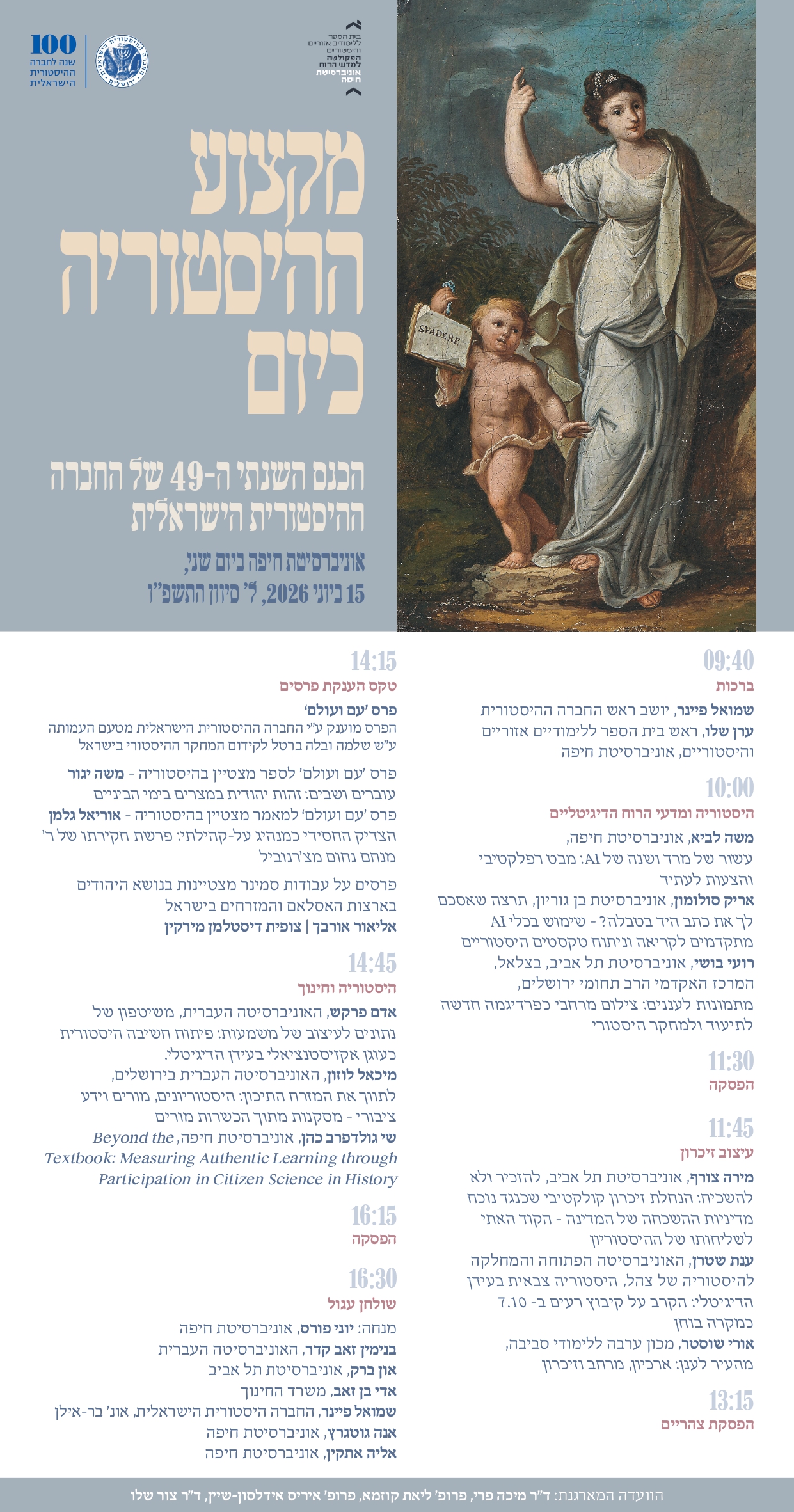
The Field of History Today

The 49th Annual Conference of the Historical Society of Israel

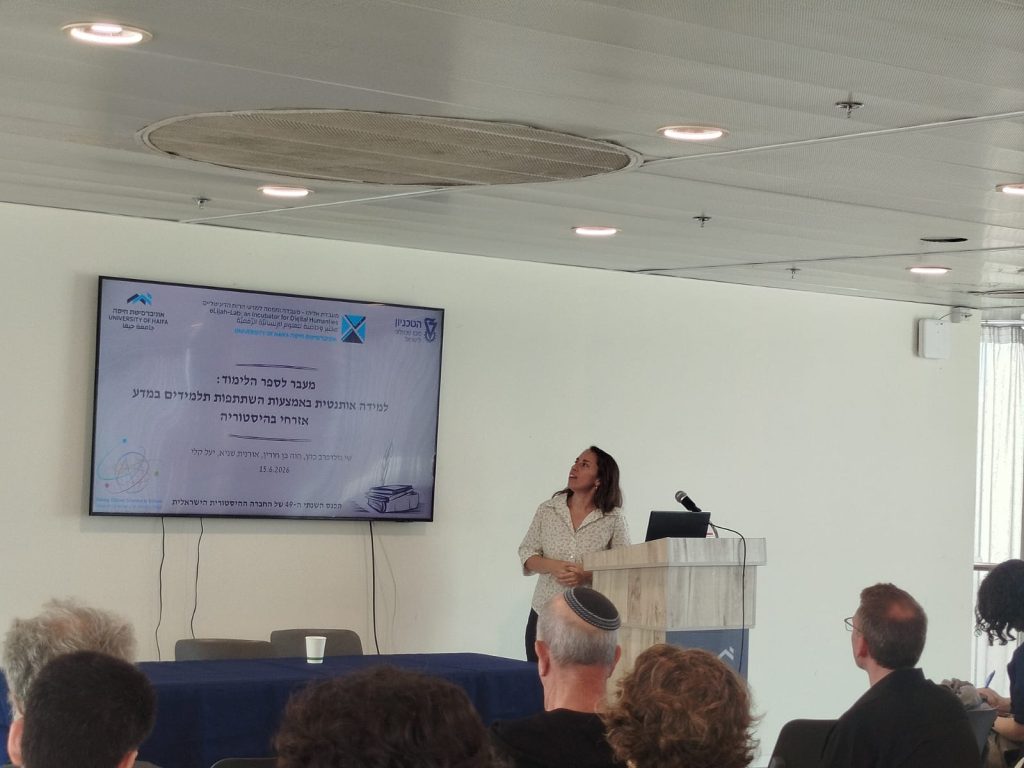
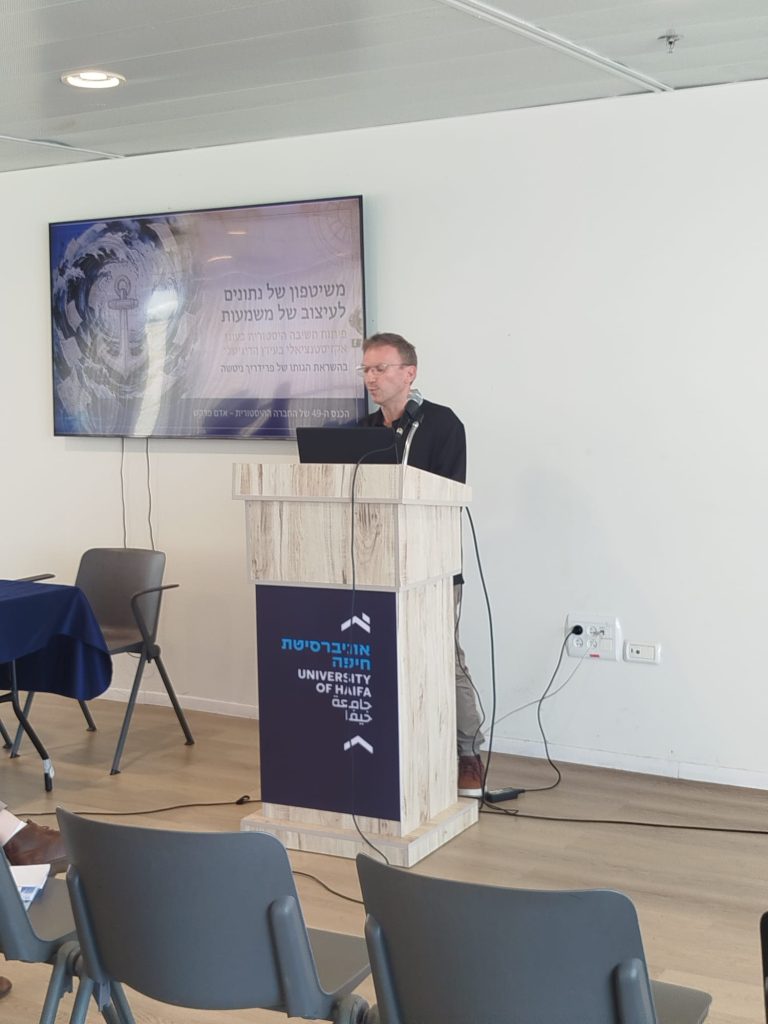
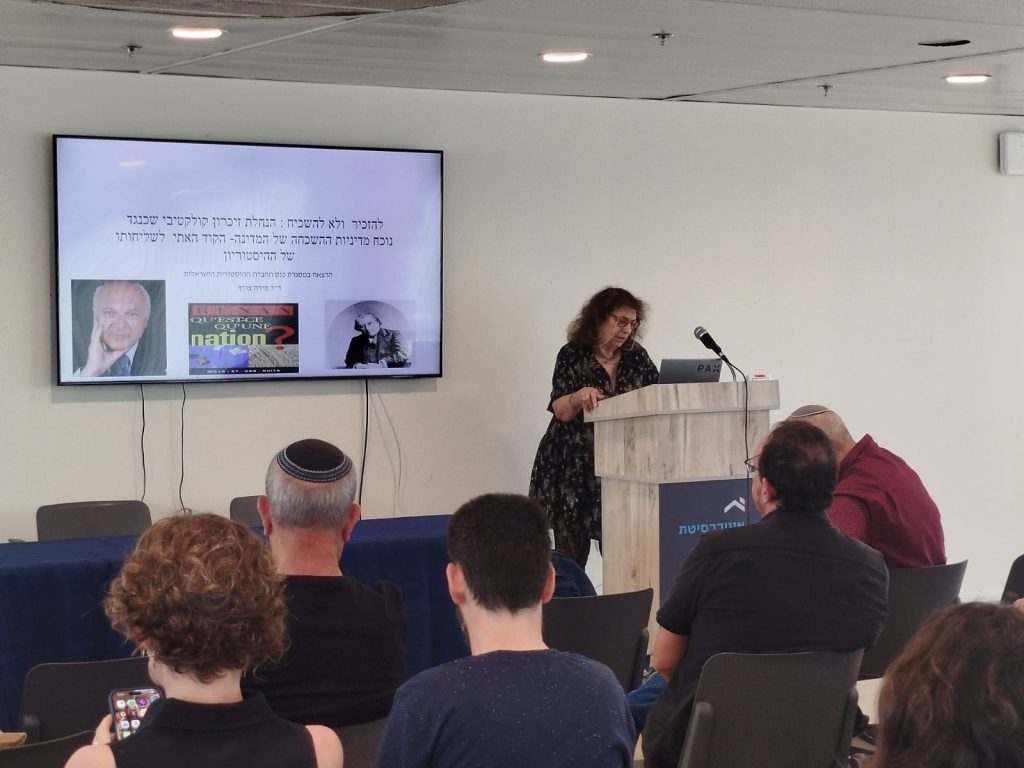
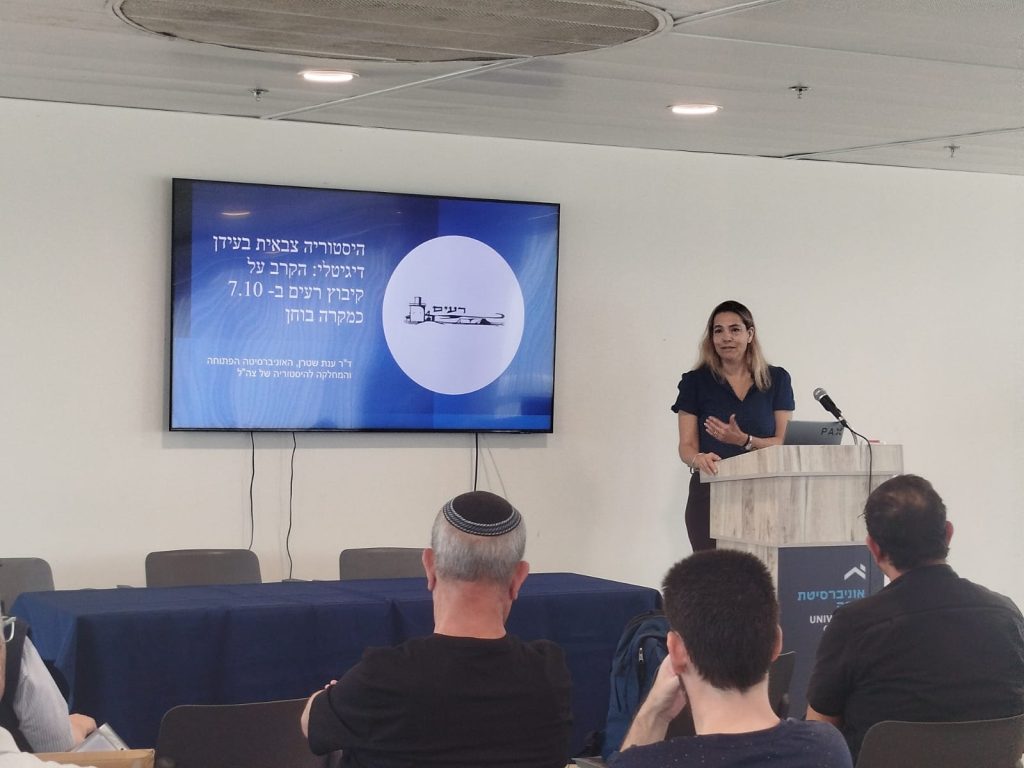
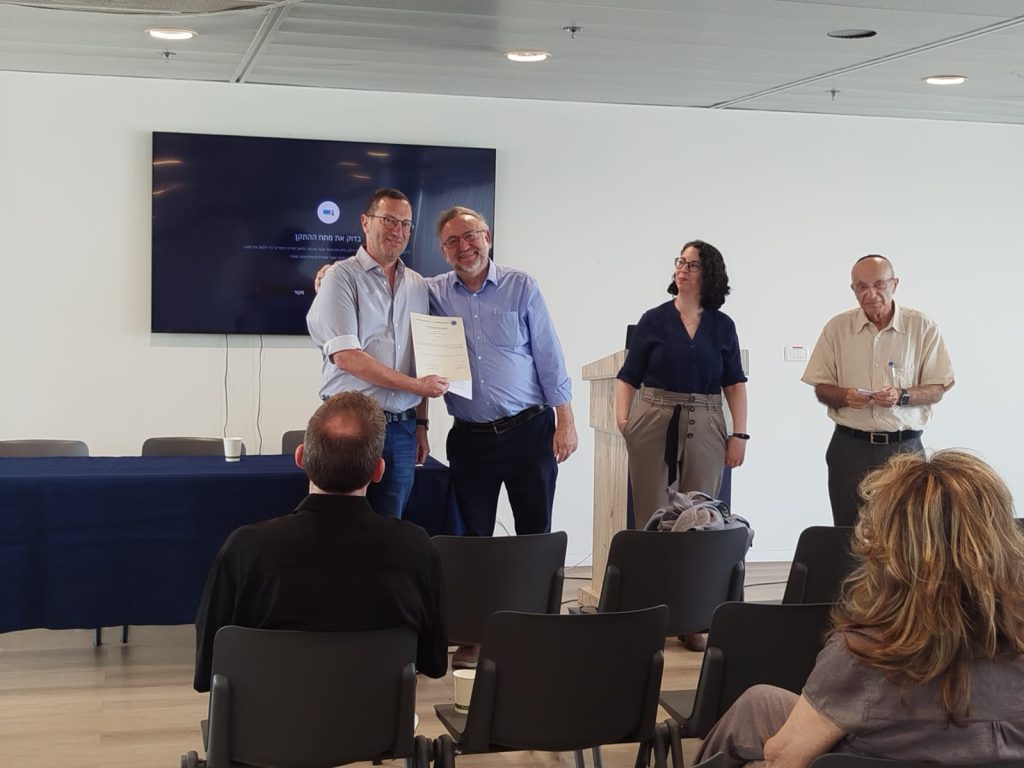
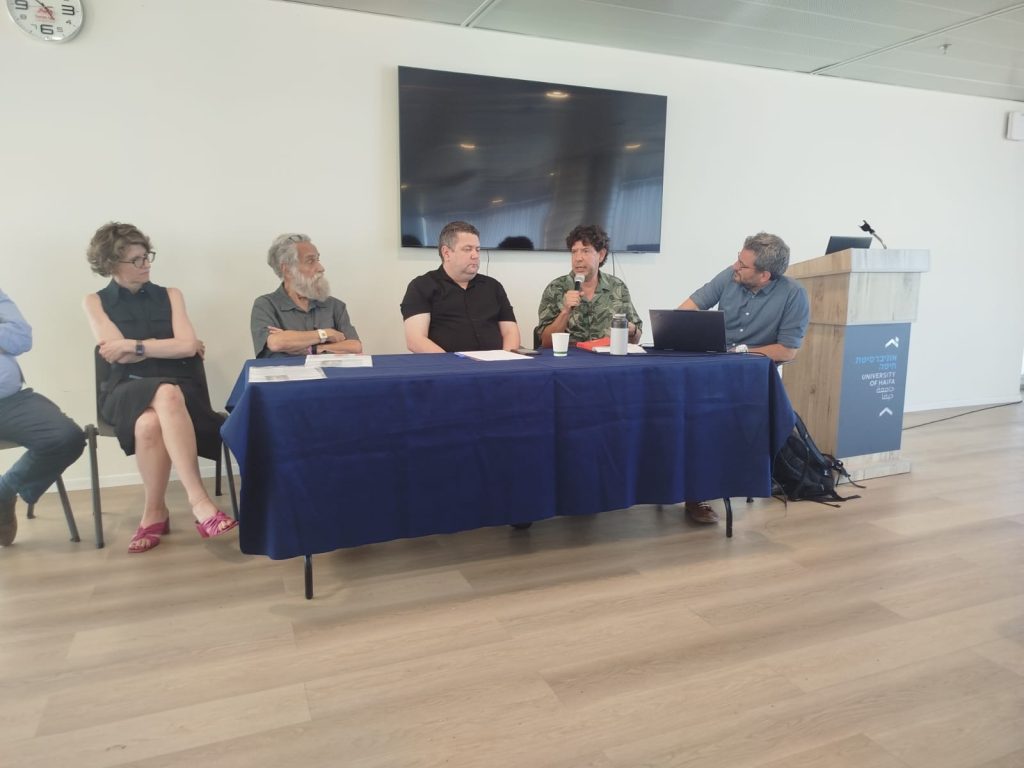
The 49th Annual Conference of the Israeli Historical Society will take place this year at the University of Haifa on Monday, June 15, 2026. This year’s conference will be devoted to a critical and reflective examination of the field of history at the end of the first quarter of the 21st century. 
This period presents historians with new challenges and unprecedented opportunities. The digital revolution, the development of artificial intelligence, the challenge to grand narratives, efforts to give voice to previously marginalized perspectives in the study of the past, changes in the structure of academia, increasing public and institutional pressures, and the growing politicization of the past, all these and more are reshaping our methods of work, the questions we ask, and the ways in which we understand the past.

The conference invites a critical and creative reflection on the discipline of history itself, not only on what we study, but on how we conduct our research, the tools we use, and the evolving meanings of our work.

We invite proposals for papers addressing any historical period and any geographical region, from historians at all stages of their careers, from graduate students to senior scholars. We are particularly interested in work that combines reflexive methodological thinking with specific examples drawn from concrete research.

Proposals may focus, among other topics, on the following areas:

    • Reconsidering historical methodology

      • -Historiography in the past: How did historians in earlier periods understand their profession? Innovations in understanding the ways in which historical societies used or represented their own past.
      •  
      • -Contemporary historical epistemology: What is historical truth today? How do we deal with subjectivity, with multiple narratives, and with the technological ease of forging historical documents and images? What is the relationship between ‘grand narratives’ and ‘silenced voices’? How is historical explanation validated in the era of ‘post-truth’.
      •  
      • -Where do we stand today, roughly thirty years after the institutionalization of gender studies, postcolonial studies, minority studies, and similar fields, in the face of the backlash against ‘progressivism’ and the demand to return to national histories.
  •  Methodological and technological innovations

    • -Digital Humanities: How are digital tools changing the ways historical research is conducted?
    •  
    • -Artificial Intelligence and computational history: What are the benefits and risks of using AI? What are the ethical norms for writing history in the age of AI.
    •  
    • -Interdisciplinary research: What are the benefits and what are the costs of collaboration with the social sciences, digital librarianship, computer science, the natural sciences, and others?
    •  

    The interface between history and society

    • -How is history taught in an era of information overload and misinformation? What is historical education in the digital age, both in academia and in schools?
    •  
    • -Public history: What is the role of the historian outside the academy? Is there still a place for historians as public intellectuals? Has there ever been? The politics of memory: What are the uses of history in the public sphere? What is our role in memory struggles and in debates over a contested past.

The academic institution and research culture

  • -New models of publication and evaluation: book versus article, open-access publishing, collaborative research, online databases, the CHE (Council for Higher Education) list, journal rankings—and their impact on the writing of history.
  •  
  • -Changing academic careers: What are the new models of academic work? Is the training we provide still relevant? Who will the historians of the 21st century be?
Abstracts (up to 300 words) accompanied by a brief CV should be submitted via the following link: Application submission 
 Application deadline: April 11, 2026.
 

Organizing committee: Prof. Liat Kozma, Prof. Iris Idelson-Shein, Dr. Zur Shalev, Dr. Micha Perry.

May interest you as well